Not really a case study, but a sterling example of the advantages of AI-assisted analysis
When I was in college, getting a degree in Political Policy Analysis, I did an analysis of “Drunk Driving Mitigation Policies” as my Senior honor thesis. The project extended over the whole school year, and I spent 10 – 15 hours a week on it for 9 months. I was kind of proud of it.
But I took on that project again–from scratch–when I was training myself to use AI tools for research and analysis. I never lost my interest in public policy, and it seemed like a good “teaching project” to approach the same essential analysis but using a different set of tools.
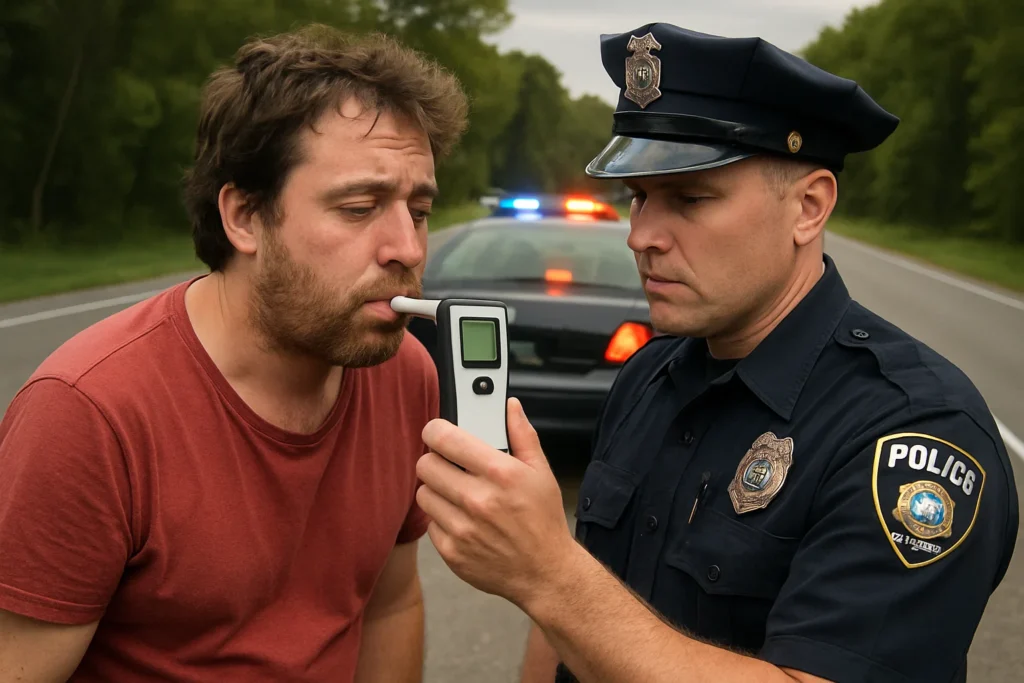
In my college analysis, I spent many weeks in the library, reading policy journals, interviewing experts, and trying to compile data from different sources using different methodologies in different ways. It was a vast task and I made it by the submission deadline, but only by the skin of my teeth. By my best reckoning, it took me 400 hours total of heads down research, analysis, writing, and then more analysis and revision.
By the time I revisited the topic with the help of ChatGPT, the research world had changed. The whole part about spending weeks in the library: gone. The whole process of norming and correlating stacks of different studies: trivial – the AI had done 99% of the work for me. I could get driving data from virtually every state, and was able to correlate arrest and traffic death data, and do deep-dive correlation and regression analysis before lunchtime on one day–it had taken me, perhaps three months to do all that on my first go-around.
At the end of the day, I completed the analysis with AI in a little less than 40 hours. And it was deeper, richer, more accurate and predictive than the one I had done in college, and–best of all–completed it ten times as quickly.
This changed a lot for me. I took on the project the second time only as a learning tool: AI was just something I had to learn because it was the technical wave of the future, and I was managing a team of programmer-analysts at my work. It was merely something I had to do to stay “current.” But by the end of the project, I was energized, and excited. This was not just something new, but revolutionary, and which combined two of my best skillsets–technology and analytics–in a way that made it all new again, and took it to an entirely different level. I decided that it was time for a career jump.
Since that time, I have devoted myself to perfecting the craft of AI-assisted analysis, and I have loved every moment of it. I’ve done many such projects since that time, in a wide range of domains–requirements and business analytics, software system architecture, medical diagnostics, political polling design. Almost every AI-assisted project I took on resulted in best-of-career outcomes, and I enjoyed myself on the journey. I was co-creating analyses and software with a remarkable tool that has taken in and absorbed just about every study, every journal, every magazine article that is publicly available, and together we soared.
I have become almost evangelical in my enthusiasm. I have inhaled, in my lifetime, hundreds–if not thousands–of analyses: business analyses, social critiques, medical journal articles, research studies, strategy memos, due diligence reports. All of them–to a one–could have been done faster and with higher quality and deeper insight if they had been done using this fabulous toolset. I realized the potential benefits of this to research, to policy development, and business strategy.
So this is my first case study on this site. It is the story of my conversion. Because these tools–if used the right way–can really help make the world a better place. A faster, more efficient, more logical, more effective place. I’m loving my work more now than any other time in my career.
That’s my personal testimonial.


